Aug 27, 2025 / By Adagio


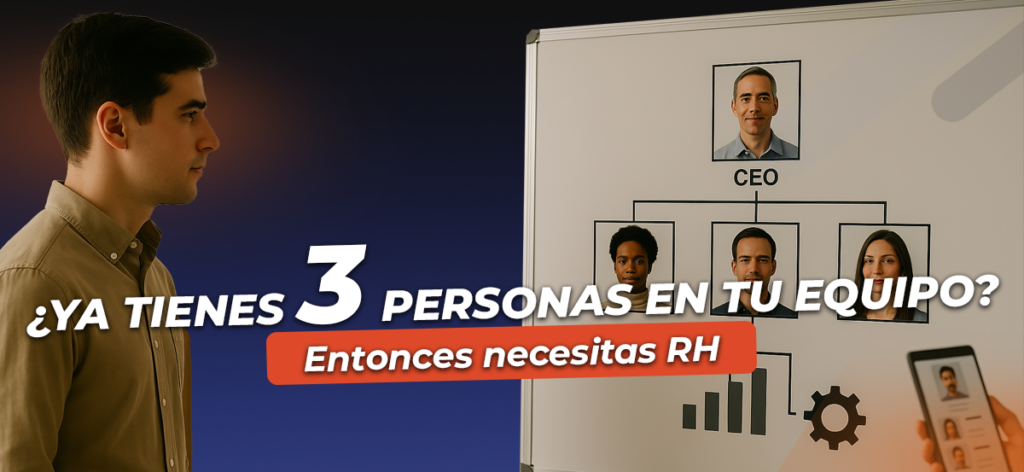
If your business is growing but so is the chaos, it’s time to professionalize. Here’s how to spot the signs and start in a simple, effective way.

When a business begins to grow, its challenges grow too. What you used to handle alone now requires coordinating people, processes, and decisions. But how can you tell if it’s time to professionalize your operation?


Conclusion: Professionalizing your business doesn’t mean making it bureaucratic. It means giving it structure to grow in an organized way. Tools like Adagio RH help you start with the basics: processes, tracking, and culture.




Administration
Adagio Base
Documents
Work Stress NOM-035
Personnel Management
Payroll and IMSS
Attendance
Human Resources
Organization chart and places
Operational Management
Digital signature
Team Assignment
Transport
Dining room and restaurant employees
Development of Talent
Training
Performance evaluation
Recruitment and selection
Definition of objectives
360 Evaluations
Surveys
Work Environment
Industries
Food and drinks
Hospitals and Health
Technology
Logistics
Tourism
Financial services
Administración
Adagio Base
Documentos
Estrés Laboral NOM-035
Gestión de Personal
Nómina e IMMS
Asistencia
Recursos Humanos
Organigrama y plazas
Gestión Operativa
Firma Digital
Asignación de equipos
Transporte
Comedor y Restaurante empleados
Desarrollo del Talento
Capacitación
Evaluación de desempeño
Reclutamiento y selección
Definición de objetivos
Evaluaciones 360
Encuestas
Clima laboral
Sectores
Alimentos y Bebidas
Hospitales y Salud
Tecnología
Logística
Turismo
Servicios Financieros